

In Cormac McCarthy's magnum opus, Blood Meridian or the evening redness of the west, he begins his bestial tale about the unforgiving American West, ruled by cowboys and scalp-keepers, far from the encroachment of industrialization, with a simple instruction : See the child.
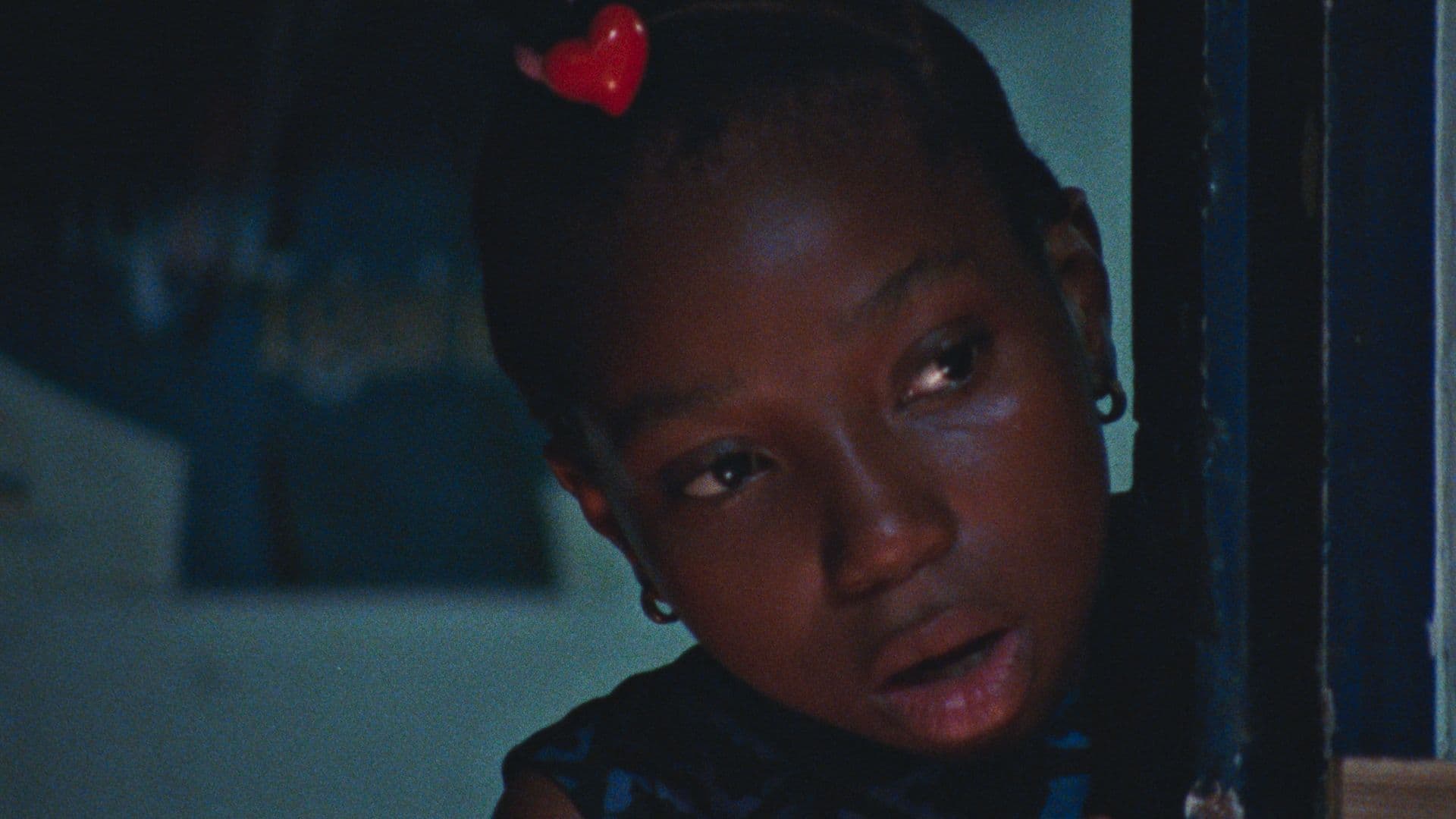
In Davies’ Lizard, we are similarly expected to adhere to this Mccarthyean directive. We are also invited to see the sun over 1990s Lagos — our American West — hanging like a brass anvil, heating the concrete to a dry glare and bearing down upon a city of iron roofs, smoke, and implacable praise. Out of this scorched expanse Akinola Davies Jr. carves Lizard, a short work of stark and brutal clarity, moving with the cold, measured weight of a world where violence and piety are forged in the very same infernal engines. The film acts as an arena of intense aesthetic tissue , where the terrifying, visionary clarity of childhood perception wrestles against the overwhelming machinery of institutional authority and social decay. It offers a landscape where religious fervour, political anxiety, and urban survival collide inside the mind of an eight-year-old girl, operating with the visionary intensity of William Blake's Songs of Innocence, where the sharp gaze of youth pierces directly through the grand illusions, hypocrisies, and chartered structures of the adult world.
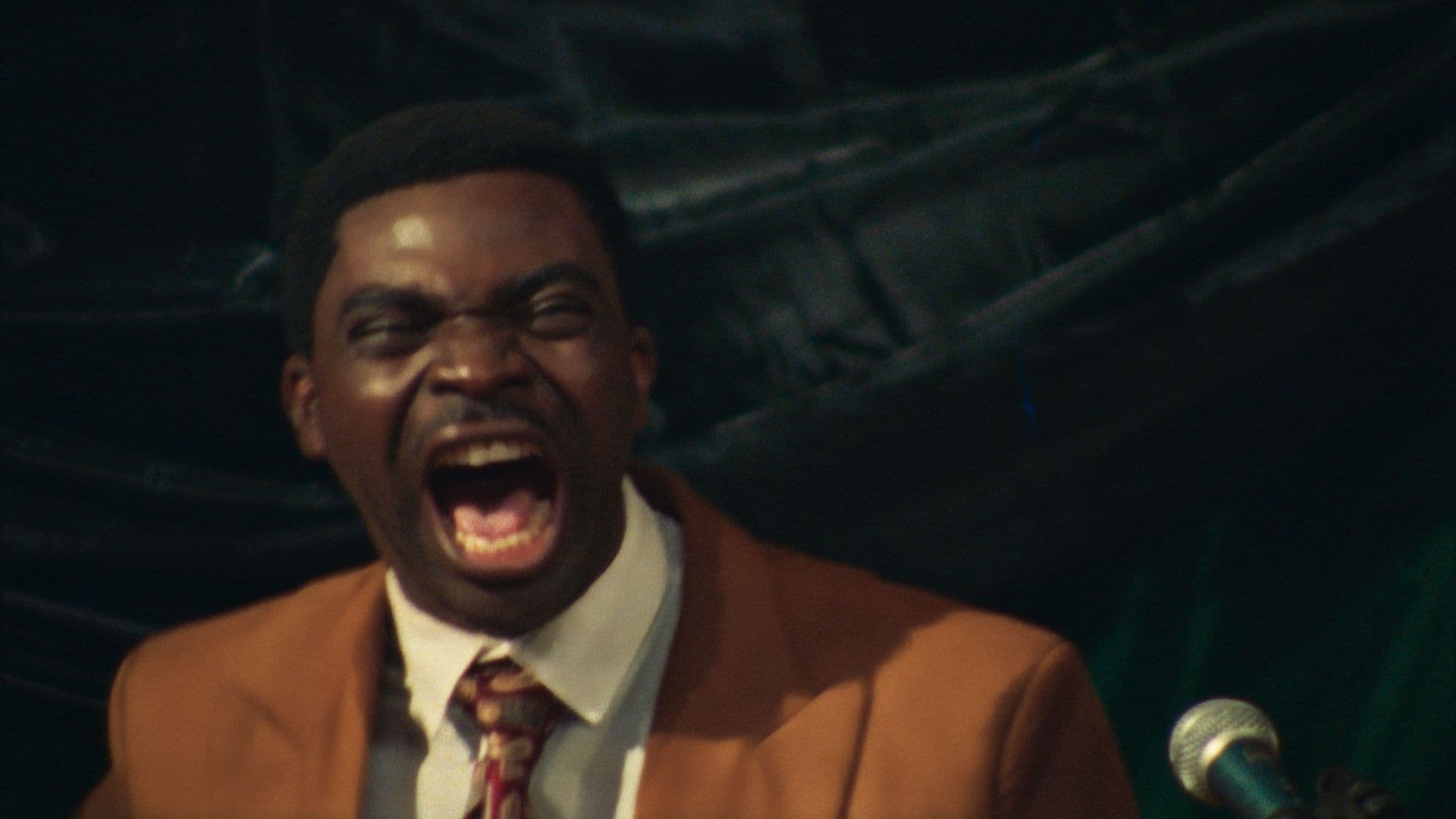
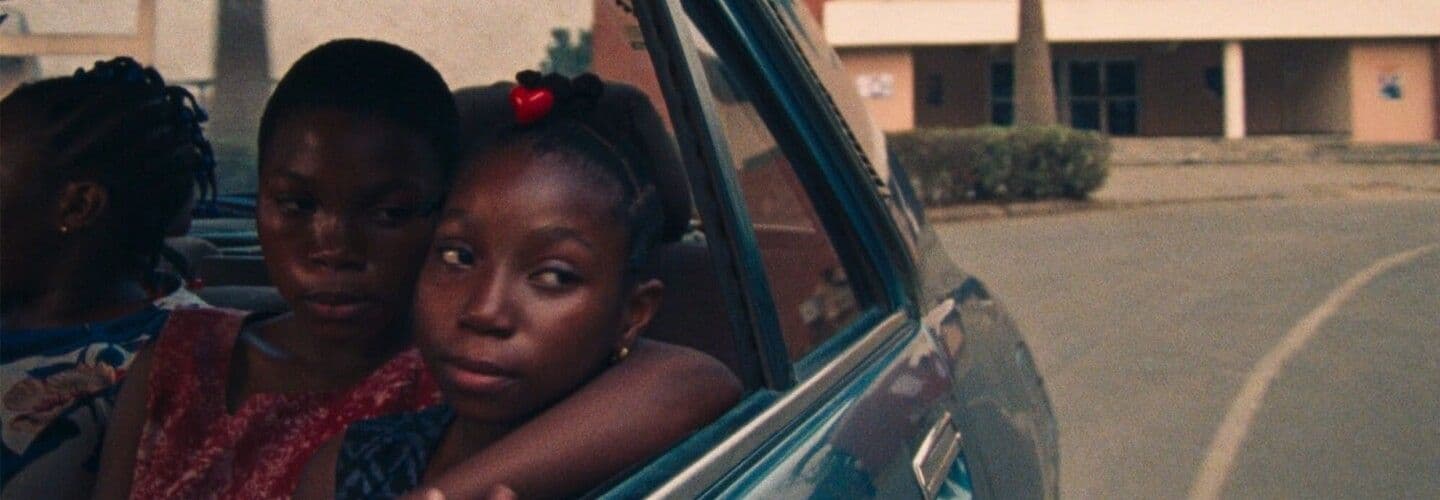
We enter this world through Juwon, punished outside her mega-church Sunday school class for making noise. Demonstrating an uncanny, almost Delphic gift for sensing hidden motives, Juwon becomes a lonely seer, cursed with divine insight in a space built on total, unblinking delusion. Her exile is immediate and strangely liberating. Cast out into the sprawling compound’s parking lots, back alleys, and hidden corridors, she slips into the orbit of a trio of opportunists plotting the felonious under the stygian cloak of sacred noise and mass devotion.
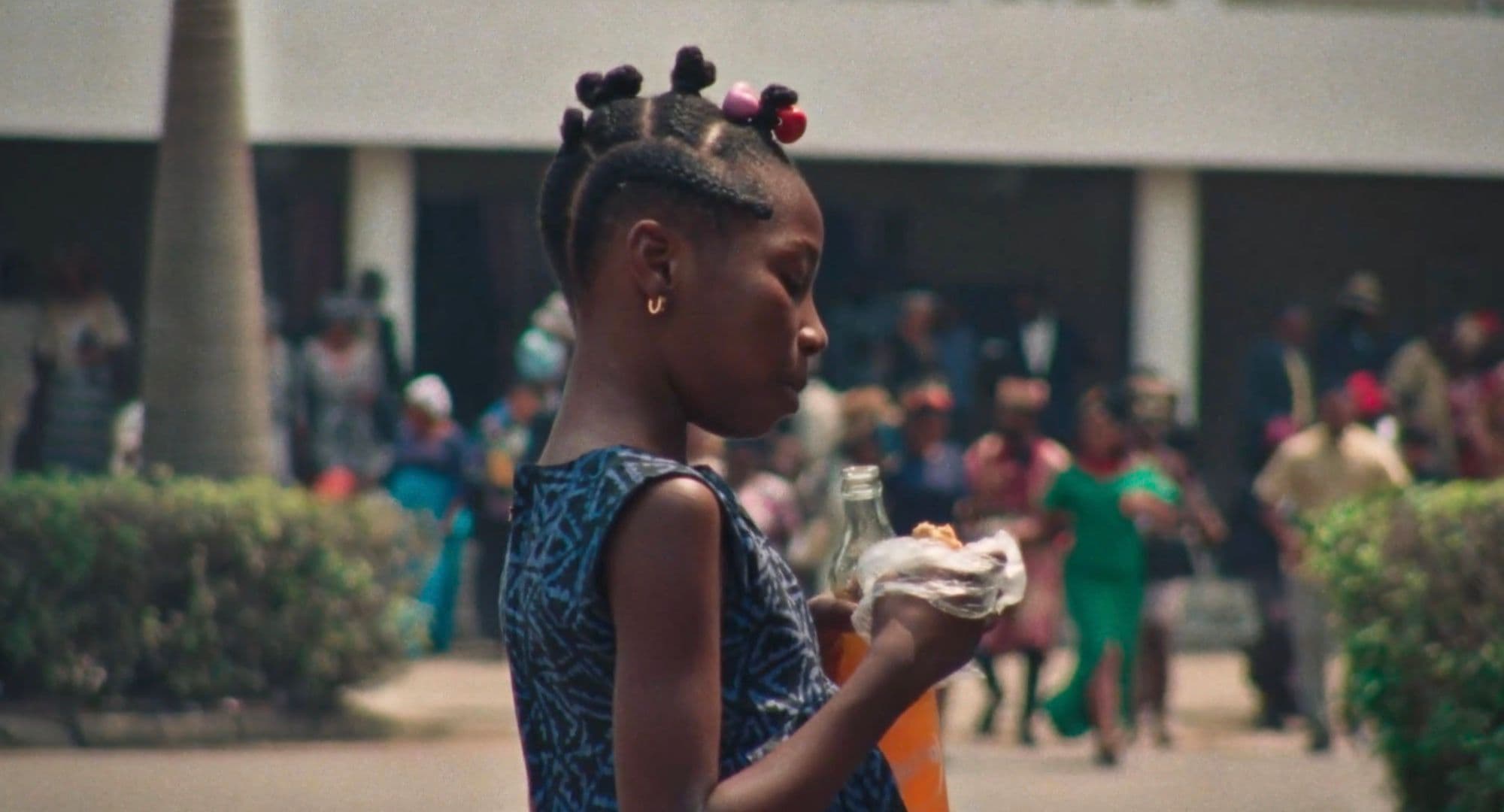
Davies directs with a sensory exuberance replete with tactility. The camera glides through heavy crowds, lingering on the sheen of sweat on silk dresses, the harsh glint of midday sun off corrugated roofs, the heavy lace of garments, and the booming reverberations of godhood echoing across the concrete. The sound design acts as an intoxicating pressure cooker — the low hum of urban danger and military tension enunciates the air du temps. The film operates through a heightened, sublime realism where every visual detail carries substantial weight.
The eponymous reptile functions not only as a symbol of an African proverb but as an ancient, indifferent witness to human folly, presiding over the asphalt jungle like a primordial judge. It is an image that bypasses literal explanation to lodge straight in the nervous system, capturing a child’s attempt to process a society founded upon performance, greed, and underlying violence. Rather than reducing the creature to a simple gimmick or a neat allegorical entity, Davies allows it to haunt the margins of the frame, asserting a prehistoric authority over the fleeting theatricality of human institutions. The Sublime here resides in this absolute rupture of scale: the tiny, watchful child and the massive, ancient beast standing outside the artificial frenzy of the grown-up empire.
What makes the essayistic arc of Lizard so compelling is its refusal to dilute its setting into simple sociological commentary or easy moralizing. The church compound functions as a grand, fallen arena of a new god replacing the old—oil, an anti-Nietzschean declaration. Here, God isn't dead. This is a microcosm of 1990s Lagos under military rule, vibrant with desperate faith and furtive menace. It is a world where spiritual transcendence and material hustling share the exact same space, speaking the exact same language of urgent survival. Yet Davies keeps his lens rigorously anchored to Juwon’s point of view, turning what could have been a standard crime story into a profound meditation on spiritual intuition, spatial deracination, and the colossal burden of unrequested sight.
Pamilerin Ayodeji’s central performance carries this immense weight effortlessly. With minimal dialogue, her face remains a breathtaking canvas of watchful resistance, quiet intelligence, and deep ambiguity. She moves through the chaotic pageantry of the adults like a silent chronicler, a Dorothy out of Kansas, absorbing the venality around her without being consumed by it. Her performance gives the film its moral anchor, anchoring the surrounding surrealism in a palpable, human truth.
We have all witnessed the directorial acumen of Davies through My father's shadow but Lizard presaged a filmmaker of extraordinary aesthetic strength, wrestling valiantly with the weight of visual history and spatial storytelling. Davies demonstrates a command of tone that feels both sweeping and remarkably precise, allowing the narrative to expand outward while remaining tethered to a child's intimate emotional reality. It is a work of sudden jolts, strange beauty, and deep resonance—a film that leaves the lingering impression of a full, vivid universe captured in a single, breath-catching instant. Davies has crafted a short film that asks to be read with the same seriousness, density, and intellectual vigor as a major literary work, marking a vital moment in modern African cinema and the nascent venture into the new sublime.
Follow us to read our other essays on Substack here.