

You might be compelled to invoke William Golding’s Lord Of The Flies or The Beach by Alex Garland upon watching Awosika’s Harmattan. You wouldn't be incorrect as there's a thematic throughline therein. But what makes Muyiwa Awosika’s cinematic offering such a bracing picture within contemporary Nigerian short-form cinema is its absolute refusal to offer the reassuring narrative cushions of either boilerplate Nollywood dramaturgy or Western genre pastiche. Spanning a taut 17 minutes, the film operates under a rigorous, almost Bressonian austerity: a group of young army recruits stationed at a remote training outpost during the seasonal dry spell find that their water supply is exhausted and in the wake of this occurrence, find institutional authority dissolving into dust.
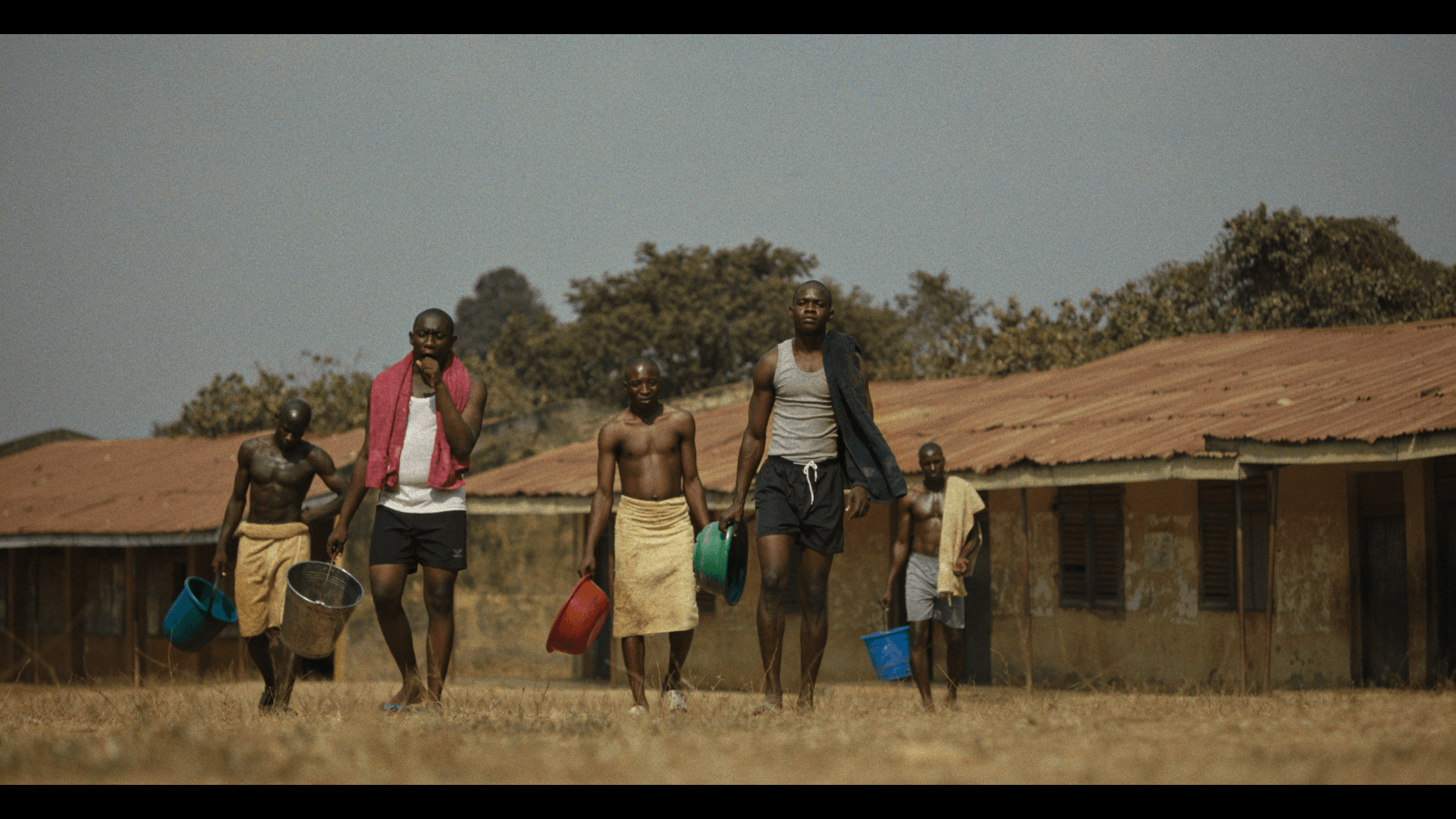
Awosika understands—much like Monte Hellman (Two-Lane Blacktop, The Shooting) or early George A. Romero (Night of The Living Dead) —that true cinematic dread is a matter of geography, materiality, and spatial duration. The harmattan itself is not merely a meteorological backdrop, but the primary auteur of the recruits' undoing. Like a Spinozan God, it's in everything the eyes can see. The camera captures the texture of parched earth and cracked skin with a haptic immediacy that feels less like sensationalism and more like a materialist critique of survival under the tyranny of scarcity. Where a lesser filmmaker would rely on supernatural intervention, deus ex machina or cheap, manipulative jump scares, Awosika grounds his tension in the slow, agonizing erosion of human solidarity.
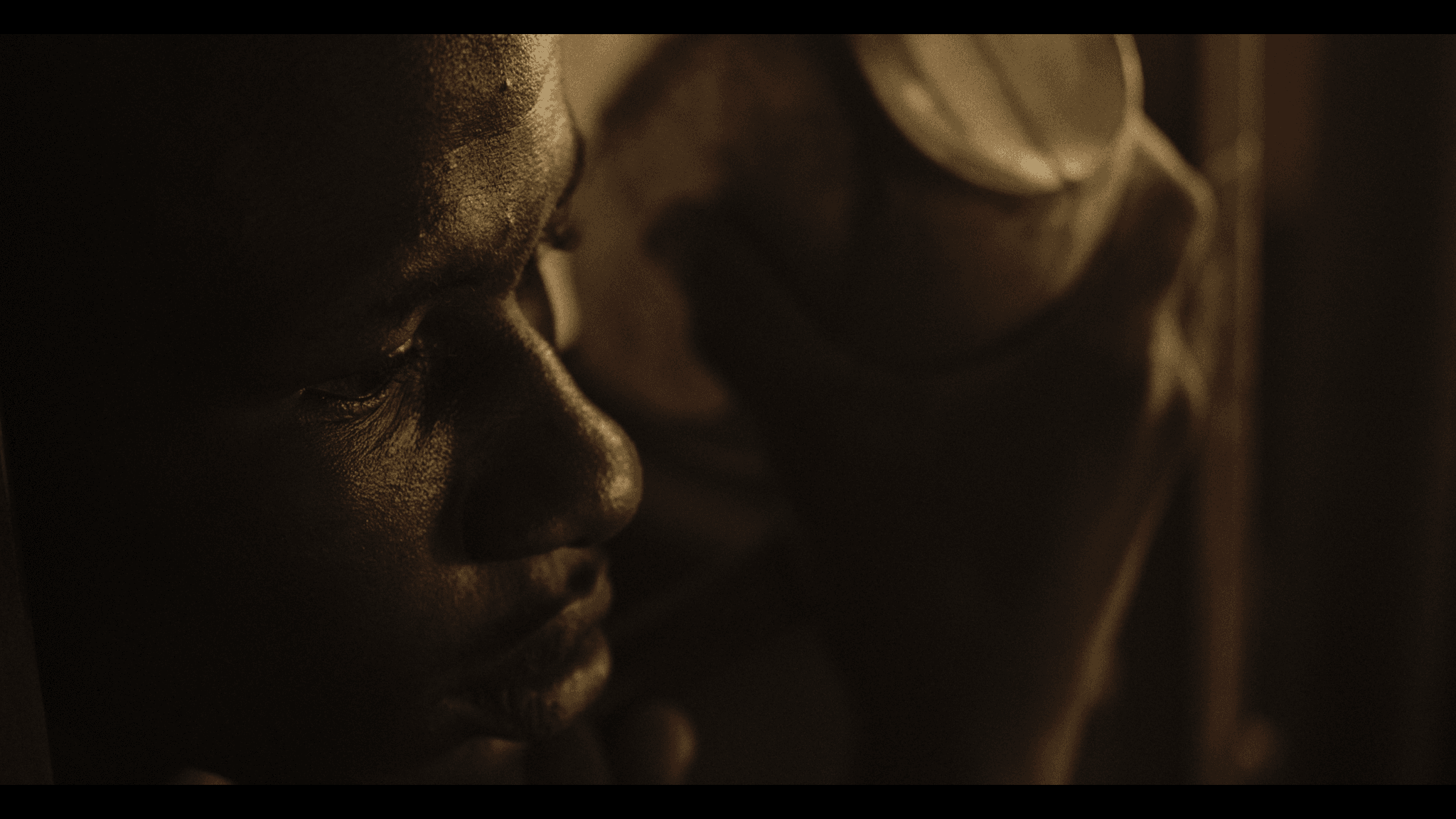
As dehydration sets in, military discipline gives way to a primitive, almost Hobbesian paranoia. The performances—particularly from Riyo David and Chibuikem Chris — are stripped of rhetorical excess, operating instead through subtle shifts in posture, darting eyes, and heavy, shallow breathing.
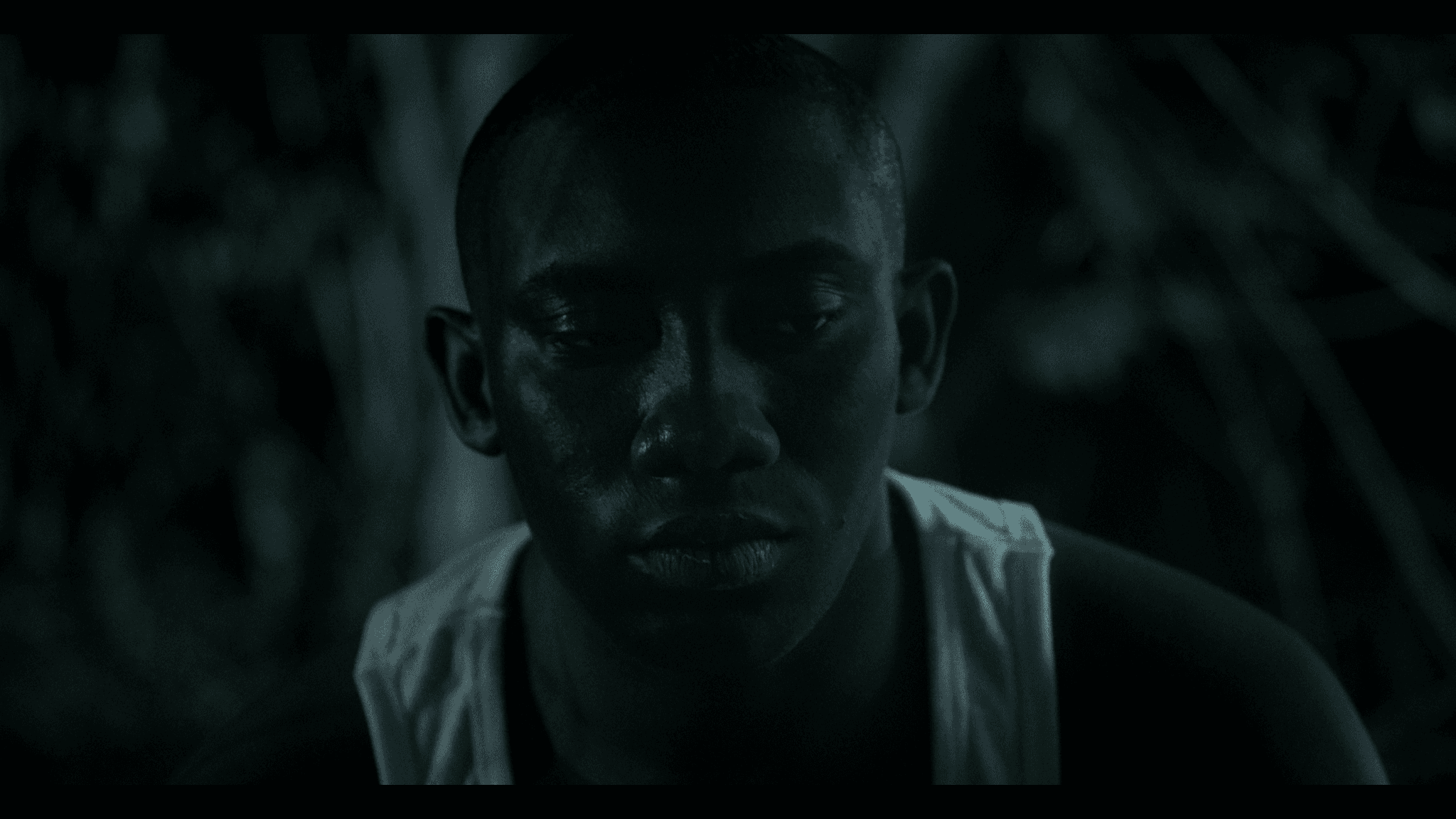
Harmattan is a sharp, fiercely independent work of genre subversion. By treating environmental austerity as a psychological mirror, Awosika delivers a minimalist study of moral collapse. Proving that the most unsettling horror requires neither exhumed creatures or eldritch horrors from above, only an unflinching eye for human desperation under heat. The film asks the question of our nature when the end of the world comes knocking.
Follow us to read our other essays on Substack here.